
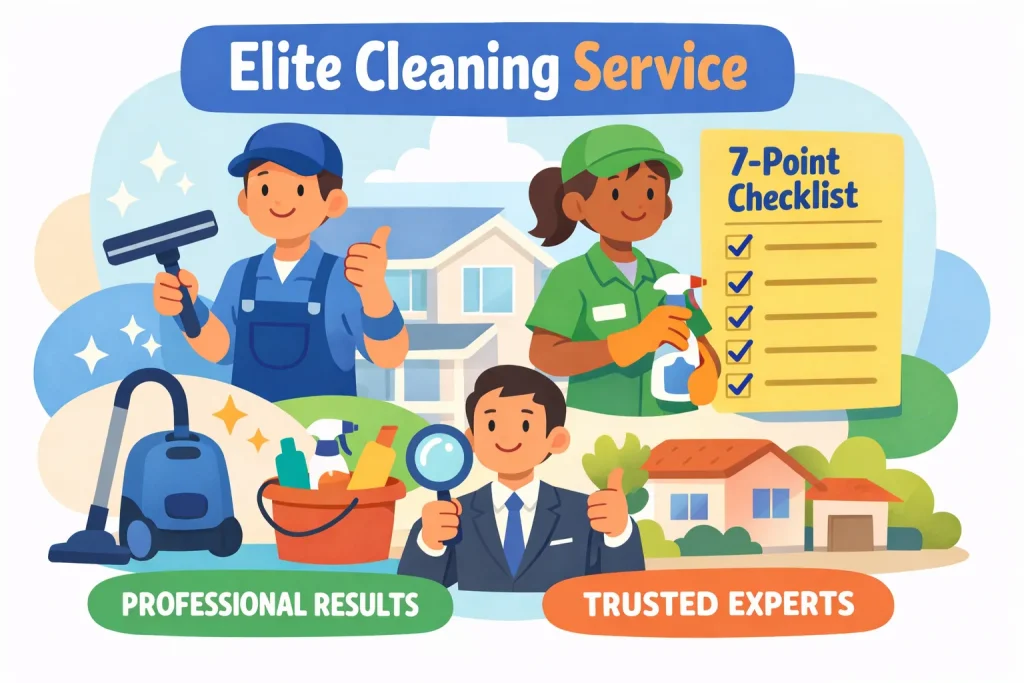
Why “elite” is more than a higher price
If your priority is lasting, visible results—streak‑free glass, a roof that isn’t harmed by cleaning, and solar panels that actually produce more energy—then a quick hose or a cheap truck‑mounted blast won’t cut it. Elite exterior property cleaning means systems and people built to protect materials, document work, and deliver repeatable outcomes, not just a fast scrub.
By “elite” we mean trained crews who choose the right method for each surface, a written scope you can sign, current insurance on file, and a clear re‑clean or remediation policy. A local example: California Glass & Solar, a woman‑owned Bay Area team with 12+ years’ experience, uses purified‑water solar cleaning, soft brushes, and custom in‑house tools to increase panel output while preserving roofs and glazing—an illustration of how an elite team shows up with the right tools and clear estimates.
What an elite exterior cleaning job actually looks like
A basic wash often treats every surface the same: high pressure, fast rinse, and a receipt. An elite package starts with a site survey, documents the conditions, and prescribes surface‑specific methods—soft wash for shingles and stucco, high‑pressure only for concrete. Every decision has a reason tied to material life span and long‑term performance.
Practical hallmarks you should see in writing: a pre‑job site survey (photos and notes), a written scope with line items and exclusions, specified methods (soft wash vs. pressure and PSI ranges), trained crews listed by role or certification, proof of insurance, and a post‑job inspection with before/after photos. Specialty additions that flag a higher level of care include purified‑water solar cleaning, humane bird deterrents for arrays, trash‑bin sanitizing, and custom brushes built for delicate rooflines.
What premium exterior and maintenance packages include
Premium exterior cleaning packages bundle material‑appropriate treatments across the property so you avoid piecemeal fixes. Typical inclusions are soft washing for roofs and siding to remove organic growth without damaging shingles, and pressure washing for concrete patios and driveways where mechanical force is appropriate.
Window work in a premium package goes beyond glass. Expect streak‑free exterior washing (interior on request), track and screen cleaning, and careful detailing for sliding doors and large panes so seals and frames aren’t damaged. Ask whether technicians use purified water for final rinse—this is what prevents streaks and mineral deposits.
Gutter and roof services should include debris removal, downspout checks, and documented spotting of minor repairs (photographed and annotated). For solar owners, look for purified‑water panel cleaning paired with soft brushes and safe access methods. Other specialty items in elite offers include humane bird/pest deterrents for arrays, trash bin sanitizing and property cleanup & maintenance, and custom‑tool deployment for tricky rooflines.
If you want recurring protection, ask about seasonal maintenance plans and recurring‑service pricing—quality providers will offer options to reduce long‑term restoration costs by catching small problems early.
How much it should cost — realistic ranges and what changes the quote
| Service | Typical U.S. range | Bay Area note |
|---|---|---|
| Pressure/Power washing (whole‑house) | $241–$418 | 2,000 sq ft home: $300–$1,500 depending on access and finish |
| Driveway cleaning | $180–$240 | Varies by size and oil stains |
| Siding cleaning | $300–$600 | Material and stories change the price |
| Roof cleaning (soft wash) | $450–$700 | Delicate roofs and steep slopes raise cost |
| Window cleaning | $6.30–$8.30 per pane (int.+ext.) | Exterior‑only jobs: commonly $150–$302 |
| Gutter cleaning (one‑time) | $275–$500 | Bay Area average: ~$200–$375 per house or $0.75–$1.50/linear ft |
Major cost drivers: property size and number of stories (access is expensive), how neglected surfaces are, the substrate (vinyl, stucco, asphalt shingles, concrete), and whether specialized equipment is required (purified‑water rigs, boom lifts, fall‑protection). Travel, local permitting or wastewater handling rules, and whether services are bundled also affect the final number.
Bundling works: combining windows, gutters, and exterior washing often reduces the per‑service rate because setup and mobilization are shared. Recurring maintenance plans may cost less over time than one‑off restorations that require harsher treatments.
For national pricing guides and average cleaning costs consult resources such as HomeAdvisor’s cleaning cost guide and Housecall Pro’s price resources. If you want a deeper look at window pricing specifically, see typical rates at HomeGuide. For a clear comparison of soft washing versus pressure washing methods, this method comparison is a helpful primer.
A pro’s 7‑point vetting checklist
- Licenses and up‑to‑date insurance. Request certificates for general liability and workers’ compensation and note expiration dates; for larger exterior jobs confirm any contractor registration required in your state. (guidance on licenses and registrations)
- Methods and equipment aligned with your materials. Verify they will use soft washing (low PSI) for roofs and siding, high PSI only for concrete, and ask if they use purified water for glazing and solar arrays.
- Proof of experience. Ask for recent before/after photos of similar local jobs and two client references you can call or email.
- Transparent, written scope and pricing. Insist on a line‑item estimate that lists exclusions, unit rates, and any anticipated access or repair charges.
- Safety and environmental practices. Confirm fall protection, proper PPE, workers’ comp, biodegradable detergents, and how they manage runoff near landscaping.
- Guarantees and remediation policy. Get the re‑clean, damage remediation, or satisfaction policy in writing with a clear timeframe for claims.
- Communication and scheduling clarity. Confirm arrival window, crew size, timeline, payment terms, and a final walkthrough for acceptance.
Request a sample service agreement or past invoice to compare apples‑to‑apples between bids.
Red flags, exact questions to ask, and how to compare quotes
- Watch for shockingly low bids that skip a site visit or refuse to provide insurance—those often hide add‑ons or risk.
- Be wary if a contractor insists on full payment upfront, refuses a written scope, recommends high pressure on soft surfaces, or cannot provide local references.
- “Do you carry general liability and workers’ comp? Can you email the certificates?”
- “Which method will you use for my roof/siding/solar panels and what PSI or detergent do you recommend?”
- “Can you send before/after photos of similar Bay Area jobs and two references?”
- “What’s included in cleanup, and do you offer a written re‑clean or damage remediation policy?”
When comparing quotes, normalize the scope: make sure each proposal covers the same tasks, units, and exclusions. Compare unit pricing, verify warranty terms, and factor in reputation and specialty services (for example, purified‑water solar cleaning is a measurable upsell). Cheaper can be costlier if it leads to surface damage or an early repeat visit.
Next steps — request accurate quotes and choose your local pro
When you request estimates, send clear photos of every elevation and the roof, a count of windows or panes, property square footage or footprint, notes about access (gates, fences, parking restrictions), whether you have rooftop solar, and your timing or urgency. The more the contractor can see up front, the more accurate the bid.
A good proposal arrives itemized: scope, timeline, insurance proof, explicit re‑clean or remediation terms, a payment schedule, and site‑prep instructions (turn off irrigation, remove fragile pots, etc.). Expect the company to note any assumptions—if not, ask.
On job day expect an arrival window, protection for driveways and landscaping, a manager or lead on site, and a final walkthrough with before/after photos. During the walkthrough confirm gutters are clear, windows are streak‑free, and solar arrays are free of residues or bird nests; note any damage immediately and reference the remediation policy in the proposal.
For Bay Area homeowners who want a vetted starting point, consider a free estimate from California Glass & Solar. They’re a woman‑owned, local team with 12+ years’ experience, purified‑water solar cleaning and soft brushes, streak‑free window work, gutter and roof care, humane bird deterrents, trash bin sanitizing, and custom in‑house tools built for Bay Area roofs and arrays. Use those qualities as checkpoints as you evaluate any firm.
Final steps to book
Run your top two written quotes through the 7‑point checklist, schedule an on‑site estimate when possible, and compare written scopes before you commit. A clear scope, current insurance, and a simple re‑clean policy are the fastest way to turn a good-looking price into a reliably good job.
Takeaway: Hiring a truly elite exterior cleaning team is straightforward when you focus on methods, documentation, and proof—use the 7‑point checklist and insist on itemized quotes. If you’re in the Bay Area and want a local example, request a free estimate from California Glass & Solar to see how a specialist presents scope, tools, and results.