We’re Here to Help
Expert Exterior Cleaning and Property Maintenance
Serving Customers in The Bay Area & Surrounding Areas
-Residential
-Commercial
-Government Buildings and Facilities
Woman Owned
In Business for 12+ Years
Free Estimates
Trustindex verifies that the original source of the review is Google. Extremely professional, excellent service. They replaced my windshield in about an hour. Excellent prices lowest around, I know because I shopped around. Sylvia was so pleasant and helpful.Trustindex verifies that the original source of the review is Google. Highly recommend Melanie and her team. Not only delightful to work with but the work is beyond amazing. My windows, gutters and solar panels have NEVER been this clean! Excited to use them every year and will be recommending them to everyone I know!Trustindex verifies that the original source of the review is Google. Great experience. Called for solar cleaning. Came the same day and did a great job including cleaning 15 floor to ceiling windows. Now on a bi-yearly cleaning schedule.Trustindex verifies that the original source of the review is Google. We are thrilled with the window cleaning provided by California Glass & Solar. Melanie was able to do our cleaning just two days after she had provided the quote. She was extremely neat and thorough. The views are now so clear we are constantly saying to each other that it's as if there is no glass in the windows.Trustindex verifies that the original source of the review is Google. I contacted Melanie at California Glass and Solar via phone after seeing her website. We communicated via text regarding property and time to do a site visit. Price was reasonable and work was performed during the initial site visit. Within an hour all panels were clean and shiny. Melanie and her helper were very friendly, efficient and easy to deal with. They did a great job cleaning some very dirty solar panels! I would highly recommend their company. In the photo is the Before (right) and After (left) picture. What a difference!Trustindex verifies that the original source of the review is Google. I used California Glass and Solar to clean the solar panels on my 2 story home and will definitely be using them again. They did a great job and showed me before and after pictures, even cleaning off some paint the painters had inadvertently put on the panels. Even cleaned the sky light while they were up there. Super nice, great job, very professional.Trustindex verifies that the original source of the review is Google. Amazing !! Melanie runs a great company, her service techs are prompt, polite and do an amazing job! My windows/solar panels have never been cleaner! Definitely will be having them clean them from now on. Great job!Trustindex verifies that the original source of the review is Google. Extremely professional!!Trustindex verifies that the original source of the review is Google. I have been a customer of California Glass and Solar for over 3 years. They have not only cared for our Array (2 story so two levels) from a soling and cleaning perspective but are always on the look out for anything they see "Micro Cracks" as an example that a homeowner would not see from the ground. They go the extra mile and are well worth the money to keep your PV investment running as designed.
Expert Service You Can Trust
When Issues Arise, Trust Us to Handle Them
Trustindex verifies that the original source of the review is Google. Extremely professional, excellent service. They replaced my windshield in about an hour. Excellent prices lowest around, I know because I shopped around. Sylvia was so pleasant and helpful.Trustindex verifies that the original source of the review is Google. Highly recommend Melanie and her team. Not only delightful to work with but the work is beyond amazing. My windows, gutters and solar panels have NEVER been this clean! Excited to use them every year and will be recommending them to everyone I know!Trustindex verifies that the original source of the review is Google. Great experience. Called for solar cleaning. Came the same day and did a great job including cleaning 15 floor to ceiling windows. Now on a bi-yearly cleaning schedule.Trustindex verifies that the original source of the review is Google. We are thrilled with the window cleaning provided by California Glass & Solar. Melanie was able to do our cleaning just two days after she had provided the quote. She was extremely neat and thorough. The views are now so clear we are constantly saying to each other that it's as if there is no glass in the windows.Trustindex verifies that the original source of the review is Google. I contacted Melanie at California Glass and Solar via phone after seeing her website. We communicated via text regarding property and time to do a site visit. Price was reasonable and work was performed during the initial site visit. Within an hour all panels were clean and shiny. Melanie and her helper were very friendly, efficient and easy to deal with. They did a great job cleaning some very dirty solar panels! I would highly recommend their company. In the photo is the Before (right) and After (left) picture. What a difference!Trustindex verifies that the original source of the review is Google. I used California Glass and Solar to clean the solar panels on my 2 story home and will definitely be using them again. They did a great job and showed me before and after pictures, even cleaning off some paint the painters had inadvertently put on the panels. Even cleaned the sky light while they were up there. Super nice, great job, very professional.Trustindex verifies that the original source of the review is Google. Amazing !! Melanie runs a great company, her service techs are prompt, polite and do an amazing job! My windows/solar panels have never been cleaner! Definitely will be having them clean them from now on. Great job!Trustindex verifies that the original source of the review is Google. Extremely professional!!Trustindex verifies that the original source of the review is Google. I have been a customer of California Glass and Solar for over 3 years. They have not only cared for our Array (2 story so two levels) from a soling and cleaning perspective but are always on the look out for anything they see "Micro Cracks" as an example that a homeowner would not see from the ground. They go the extra mile and are well worth the money to keep your PV investment running as designed.
Services We Offer
Contact Us Today!
A member of our team will be in touch shortly.
Our Services

Contact Us Today!
Contact us today for a free consultation and let our experts bring your vision to life.
Maximize Your Home’s Energy Efficiency
Professional Solar Panel Cleaning Solutions
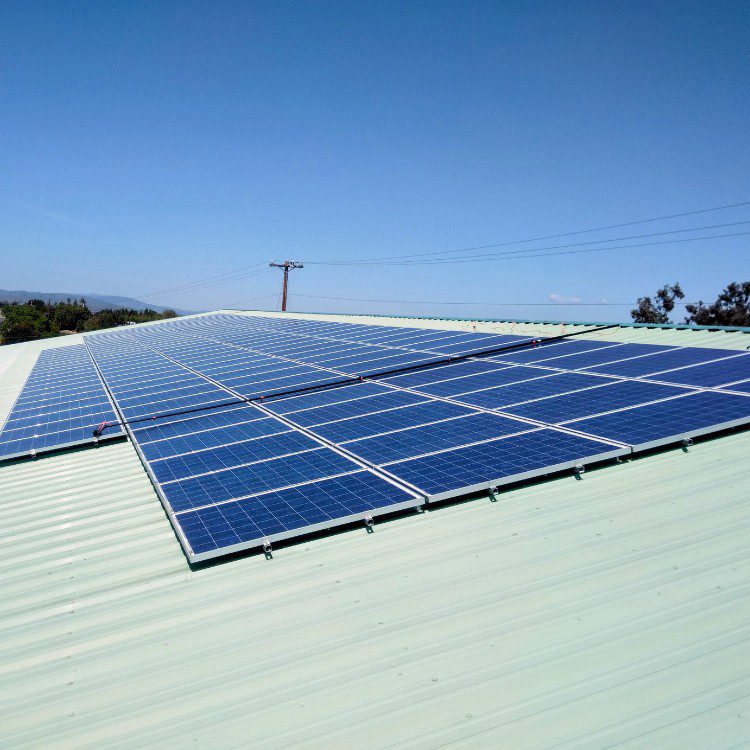
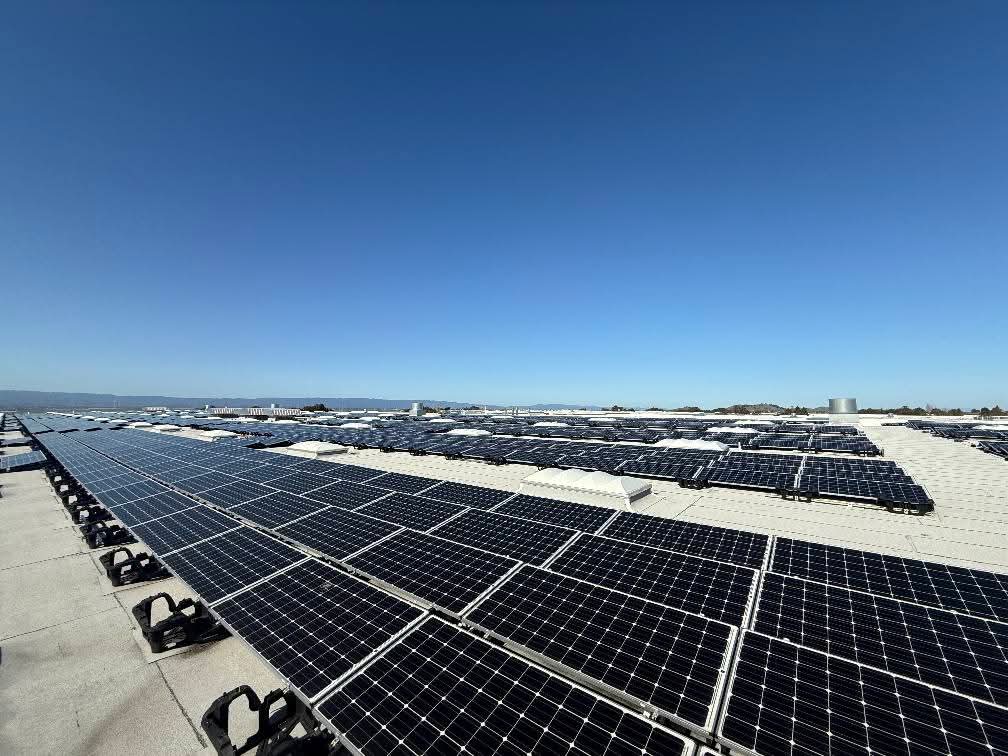
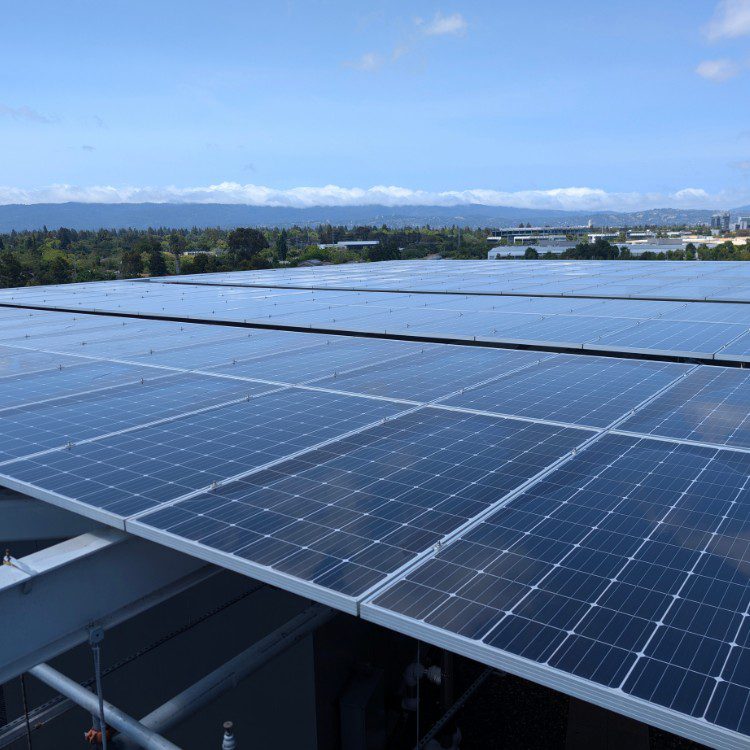
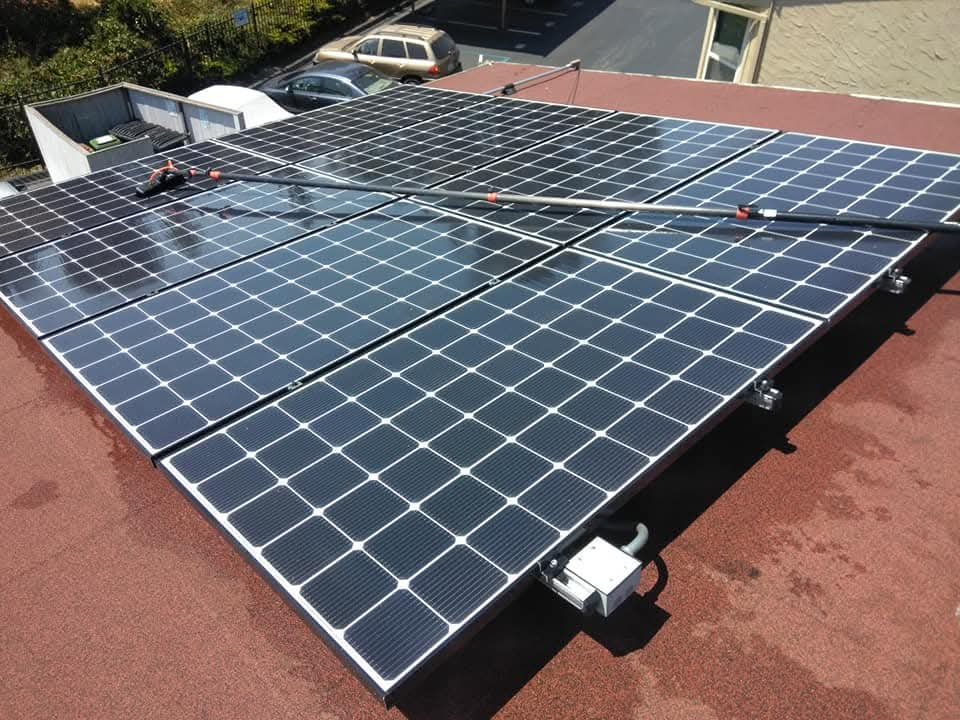
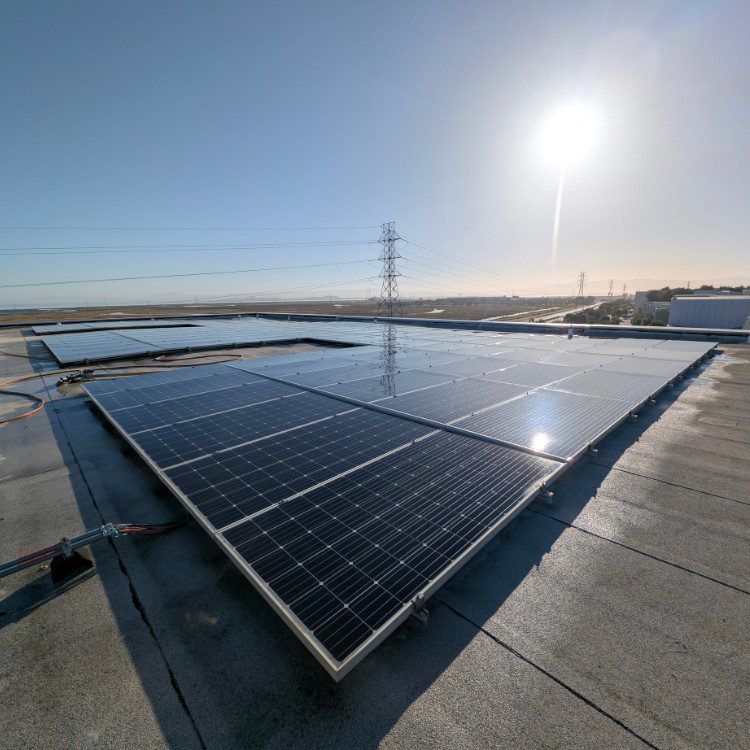
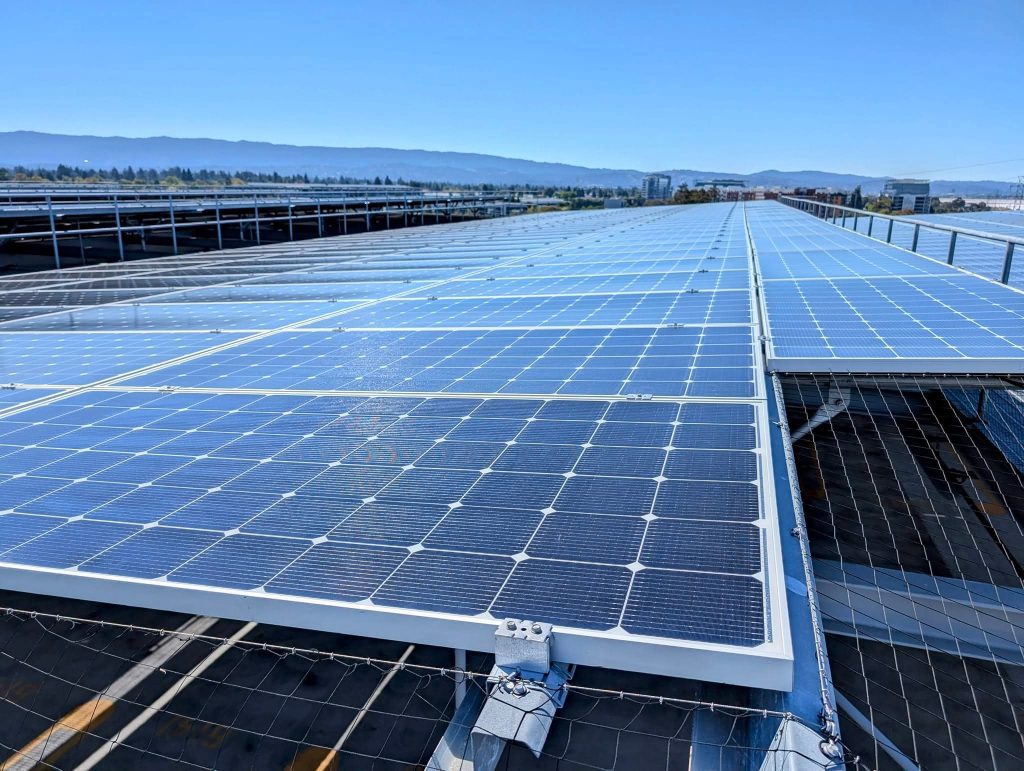
Your solar panels are a significant investment in clean energy and lower utility bills. However, layers of dust, pollen, bird droppings, and grime can accumulate on their surface, blocking sunlight and drastically reducing their efficiency. Regular professional cleaning is essential to protect your investment, ensuring you get the maximum power generation and financial return from your solar array.
Our specialized solar panel cleaning process utilizes purified water and advanced, non-abrasive techniques to safely remove all traces of debris without leaving mineral spots or streaks. We avoid harsh chemicals and high pressure that can damage the panels, ensuring a safe and effective clean that restores performance and prolongs the life of your system.
Expert Window and Gutter Cleaning Services
Enjoy unobstructed views and an abundance of natural light with our professional window cleaning services. We remove dirt, water spots, and grime to deliver a flawless, streak-free shine that instantly boosts your home’s curb appeal and creates a brighter, more pleasant indoor environment. Our meticulous approach ensures every pane of glass is left sparkling clean.
Clogged gutters can lead to serious and costly problems, including water damage to your roof, foundation erosion, and pest infestations. Our thorough gutter cleaning service removes all leaves, twigs, and blockages, ensuring rainwater is channeled safely away from your home. Protect your property’s structural integrity with this essential maintenance task.
Advanced Pressure Washing and Soft Washing
Pressure washing is the ideal solution for revitalizing hard, durable surfaces around your property. We use high-pressure water streams to blast away years of built-up dirt, grime, oil stains, and mildew from concrete driveways, walkways, patios, and stone features. This powerful cleaning method restores surfaces to their original condition and enhances overall safety and appearance.
For more delicate surfaces like vinyl siding, stucco, or roof shingles, we employ a soft washing technique. This method uses low-pressure water combined with specialized, eco-friendly cleaning solutions to gently kill and remove organic growth like mold, algae, and moss. Soft washing cleans effectively without the risk of damage associated with high pressure.
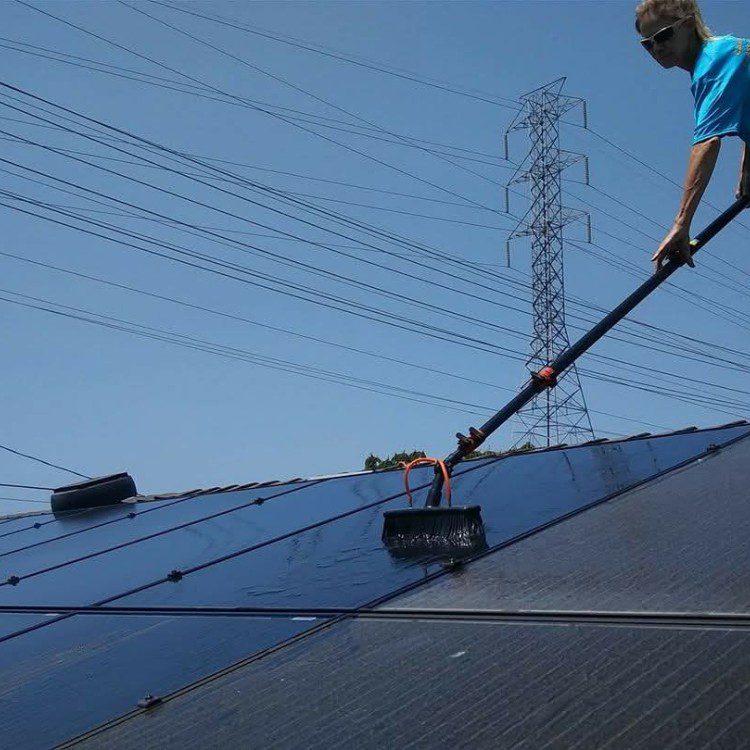
What truly sets our service apart is our commitment to innovation. We design and manufacture all of our cleaning brushes right here in our own shop. This unique capability allows us to create the perfect tool for every specific surface and task, from delicate windows to robust solar panels, ensuring a safer, more effective, and customized clean that off-the-shelf equipment cannot replicate.

Comprehensive Exterior Care and Maintenance
Your Local Partner in Property Cleanup & Maintenance
Maintaining a property involves more than just routine cleaning. Our comprehensive property cleanup and maintenance services provide a one-stop solution for keeping your home’s exterior in pristine condition year-round. From seasonal debris removal to general upkeep, we handle the demanding tasks so you can enjoy a beautiful and well-cared-for property without the hassle.
As a local business serving The Bay Area, we have firsthand knowledge of the specific environmental challenges our communities face, including coastal salt air and seasonal foliage. We tailor our property maintenance plans to address these local factors, delivering reliable and effective solutions that protect homes and businesses throughout The Bay Area from the elements.
Trust our team to be your dedicated partner in property care. Whether you manage a commercial building or own a private residence in The Bay Area, our full suite of services is designed to preserve your property’s value and aesthetic appeal. Contact us to learn how our integrated cleanup and maintenance programs can simplify your life.